Northern sablefish catch limit off West Coast falls 59.8 percent in 2027
By Central TribunePublished
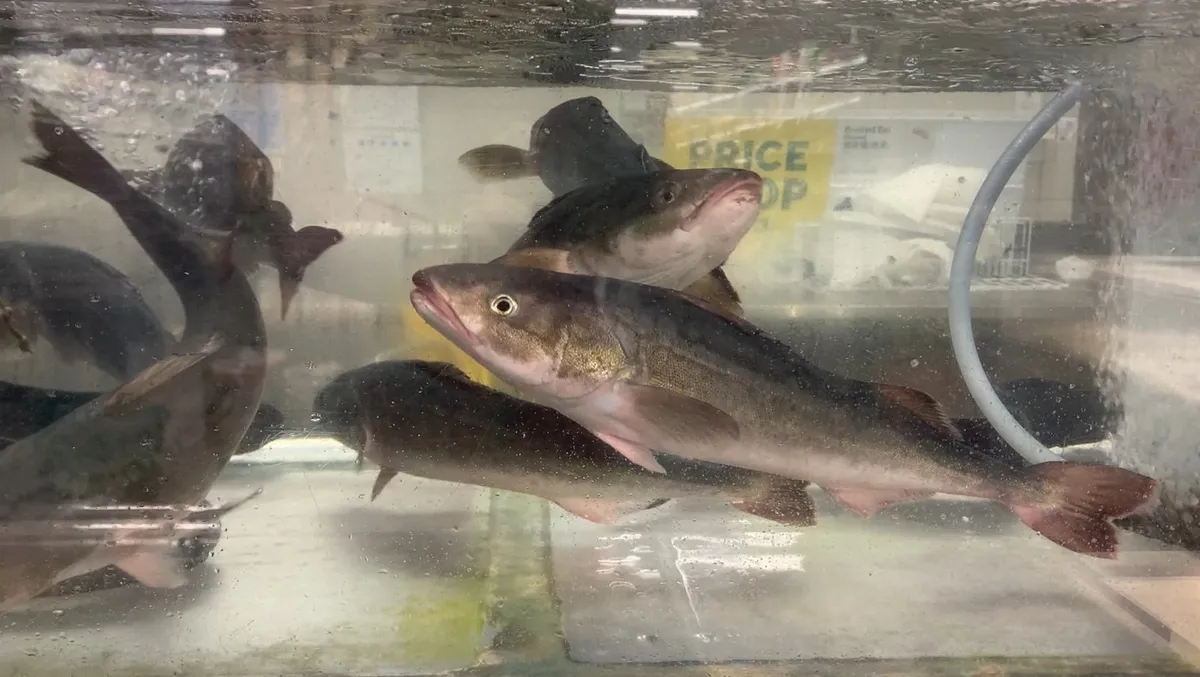
Commercial and recreational fishermen off Washington, Oregon and California face new groundfish catch limits on Jan. 1, 2027, including a 59.8 percent cut in the sablefish limit north of 36 degrees N latitude.
In a final rule, the National Marine Fisheries Service set 2027-28 catch limits and management measures in federal waters off the three states.
Through the same rule, Amendment 38 takes effect, so yelloweye and California quillback rockfish no longer have to be managed under formal plans to rebuild their numbers.
With the plans gone, neither fish counts as a prohibited species anymore. Commercial trip limits and recreational bag limits can now let boats keep them.
For sablefish in the north, the 2027 limit is 10,962 metric tons, down from 27,238 in 2026.
South of 40°10' N latitude, splitnose rockfish drop to 620 metric tons from 1,469, a 57.8 percent cut.
Bocaccio in those southern waters move the other way, rising 37.2 percent from 1,668 to 2,288 metric tons.
California quillback's limit climbs from 1.5 metric tons to 12, a 700 percent jump.
Yellowtail rockfish north of 40°10' N will see its new limit phased in. Federal guidelines allow catch limit changes to be "phased-in over time to help stabilize catch," NMFS wrote in the rule.
In all, the rule covers more than 90 groundfish stocks or management units.
Recreational anglers fish under separate rules in each state, with their own seasons, bag and size limits and area closures in federal waters.
In the shorebased quota program, trip limits for several stocks caught incidentally stay at 2025-26 levels.
NMFS is also removing seven never-used yelloweye conservation areas: two off Oregon, five off California. It described the areas as closures "intended to protect yelloweye rockfish."
Off Washington, waypoints along the 20-fathom depth contour change.
NMFS published the proposal Sept. 22 and took comments until Oct. 22. Five unique comments opposed the amendment, and one addressed process.
One anonymous commenter argued that dropping the yelloweye plan breaks the law's duty to prevent overfishing. "Treating a statistical coin flip as a green light to expand fishing violates that duty," the commenter wrote in the public docket.
Another commenter backed the change: "Rebuilt is rebuilt, and that success should be put to use."
A third asked NMFS to "explain how its selected harvest limits account for uncertainty in stock abundance, recruitment, and assessment models."
Commerce Secretary approval of Amendment 38 came on Oct. 16.
Pacific whiting stays outside the rule. Its limits are set each year in a separate process with Canada.