Fish in Rio Grande and Saline rivers face endangered listing under federal proposal
By Central TribunePublished
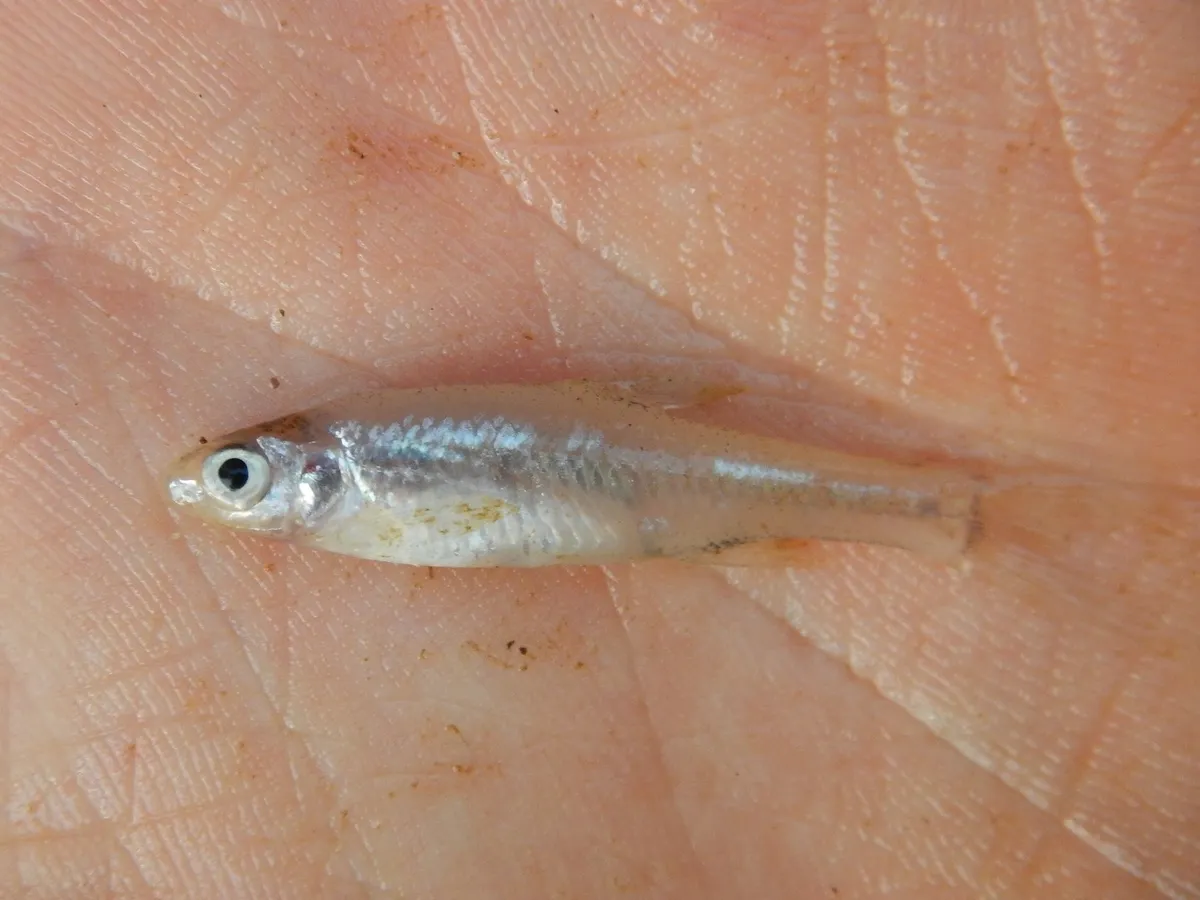
Two fish, one in the Rio Grande Basin of New Mexico and Texas and the other in Arkansas, would be listed as endangered species under proposals from the Fish and Wildlife Service.
A third proposal would make the ciliate-leaf tickseed, a plant of Florida, Georgia and South Carolina, a threatened species with protective rules of its own. Public comment on all three runs into late January.
Dams, channelized rivers, water diversions and groundwater pumping have reshaped the flows and habitat the Rio Grande shiner depends on, the service said in its proposed rule for the Rio Grande shiner. Water quality is slipping, and drought leaves stretches of river dry.
There are 68 dams across the basin: 36 on the Rio Grande itself and 22 on the Pecos River.
Just two free-flowing stretches of the Pecos run long enough to clear a 100-kilometer threshold, the service said. On the question of protected areas for the fish, the agency wrote: "We find that critical habitat for this species is not determinable at this time."
WildEarth Guardians petitioned for the listing on Jan. 23, 2020.
Called a fish of southeast Oklahoma and southern Arkansas in the peppered shiner proposal, the peppered shiner now survives in just one place, the Saline River in south-central Arkansas.
No dam blocks the Saline. "Currently, the Saline River is the only unimpounded historically occupied river where the species persists," the service wrote.
Recent sampling by the University of Central Arkansas turned up the fish in 26 more river miles, on top of the 258 already counted.
Its road to listing goes back to an April 20, 2010, petition from the Center for Biological Diversity that covered 404 species.
Most of the tickseed's 50 occupied populations grow in rights-of-way, the service said in a separate proposal for the tickseed. Forty are there, mostly in wet roadside ditches, and only 10 in natural habitat.
Mowing or spraying herbicide along roads several times a year badly cuts into the plant's flowering and seed production, the agency said. It also pointed to future urban development and to rising seas that push salt water into wetlands.
Like the peppered shiner, the tickseed was one of the 404 species in the 2010 petition.
When it writes a final rule, the service said, "we may conclude that the species is endangered instead of threatened, or we may conclude that the species does not warrant listing."
Peter Maholland, field supervisor of the Georgia Ecological Services Field Office, is the contact for the tickseed plan.
Comments on both fish close Jan. 25, 2027, and the tickseed's period ends a day later, on Jan. 26.
Email, fax and hand-delivered comments won't be accepted on the Rio Grande shiner. Submissions that just back or oppose a listing, with nothing offered to support them, don't give the agency what it needs to decide, it said.
Requests for a public hearing on any of the three proposals are due Jan. 11, 2027.