Trump orders death penalty push for child murders and faster federal executions
By Central TribunePublished
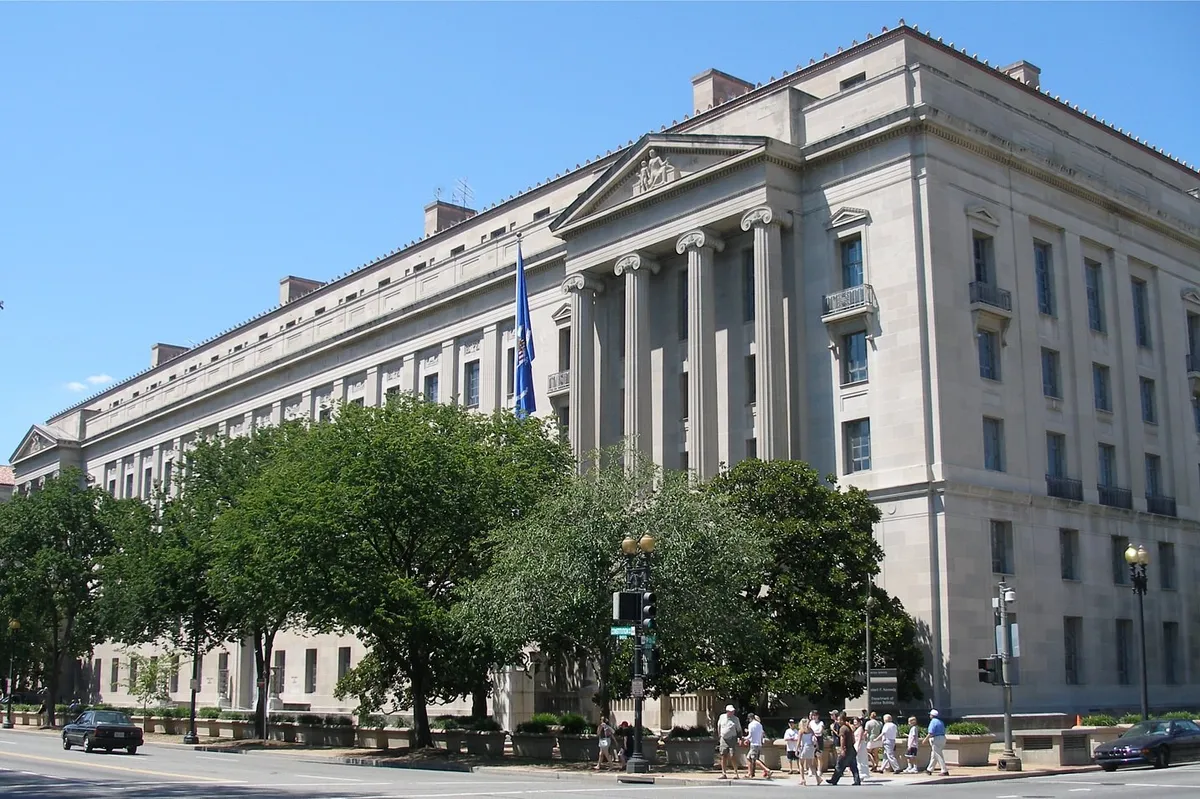
President Trump directed the attorney general to seek death in more kinds of federal murder cases, including the murder of a child, and to push for faster executions.
Trump signed the memorandum to the attorney general. It is dated Monday, Nov. 23.
Its first directive widens the list of murders for which the attorney general is told to seek death, adding to an executive order Trump issued on Jan. 20, 2025.
Separately, it orders a push against the appeals and other litigation that, in the memorandum's telling, hold up death sentences for years or even decades.
Murder of a minor in the first degree is one of the added crimes. Others are killings committed in the course of a rape, sexual abuse, sex trafficking or child sexual exploitation, and killings committed during a kidnapping or human trafficking.
Those come on top of the categories in Executive Order 14164, Restoring the Death Penalty and Protecting Public Safety. That Day One order covered the killing of a law-enforcement officer and capital crimes committed by people in the country illegally, according to a White House fact sheet.
"This Memorandum expands the list of crimes covered by President Trump’s Day One Executive Order," the White House said.
Under the new memorandum, the attorney general is to bring such cases under federal jurisdiction and ask for death when that is appropriate and consistent with law, and only for crimes it calls particularly heinous.
Its second directive tells the attorney general to take every lawful and appropriate step so that federal death sentences are carried out as quickly as possible.
That starts with making quick rulings a priority in direct appeals, habeas corpus petitions and other challenges filed after a conviction. Also on the list are fighting stalling tactics in court, asking judges to take up cases on a faster track where appropriate and cutting administrative delays that are not needed.
Trump wrote that "capital sentences imposed upon the most vile criminals are too often frustrated by years, or even decades, of litigation."
Families of the people killed are the ones the memorandum names as harmed by that wait. "A prolonged delay in carrying out a death sentence is a grave offense to the justice system that denies a victim's family the closure they deserve," the memorandum says.
Its directives apply only as far as the law and available funding allow. They create no enforceable rights for any party.
The memorandum appears in the Federal Register on Friday, Nov. 27, as document 2026-24236.